Honoring Our Potential for Excellence
H.O.P.E.
Youth Prevention & Reentry
H.O.P.E. helps young people ages 12–23 build the relationships, practical skills, and community connections they need before justice-system involvement and as they return home.

What is youth recidivism?
Recidivism means returning to the justice system after an earlier case or release. Studies count it in different ways. Washington’s Juvenile Rehabilitation measure looks at whether a person is convicted of an offense committed within 18 months of release.
These figures describe statewide Juvenile Rehabilitation release cohorts. H.O.P.E. tracks its program goals separately. Washington DCYF fact sheet (PDF) · DCYF Oversight Board report (PDF)
Two tracks for different stages of life
Young people returning home may be reconnecting with family, getting back to school or work, and finding reliable transportation. H.O.P.E. pairs practical planning with consistent adult support.
Ages 12–17
Adolescent Track
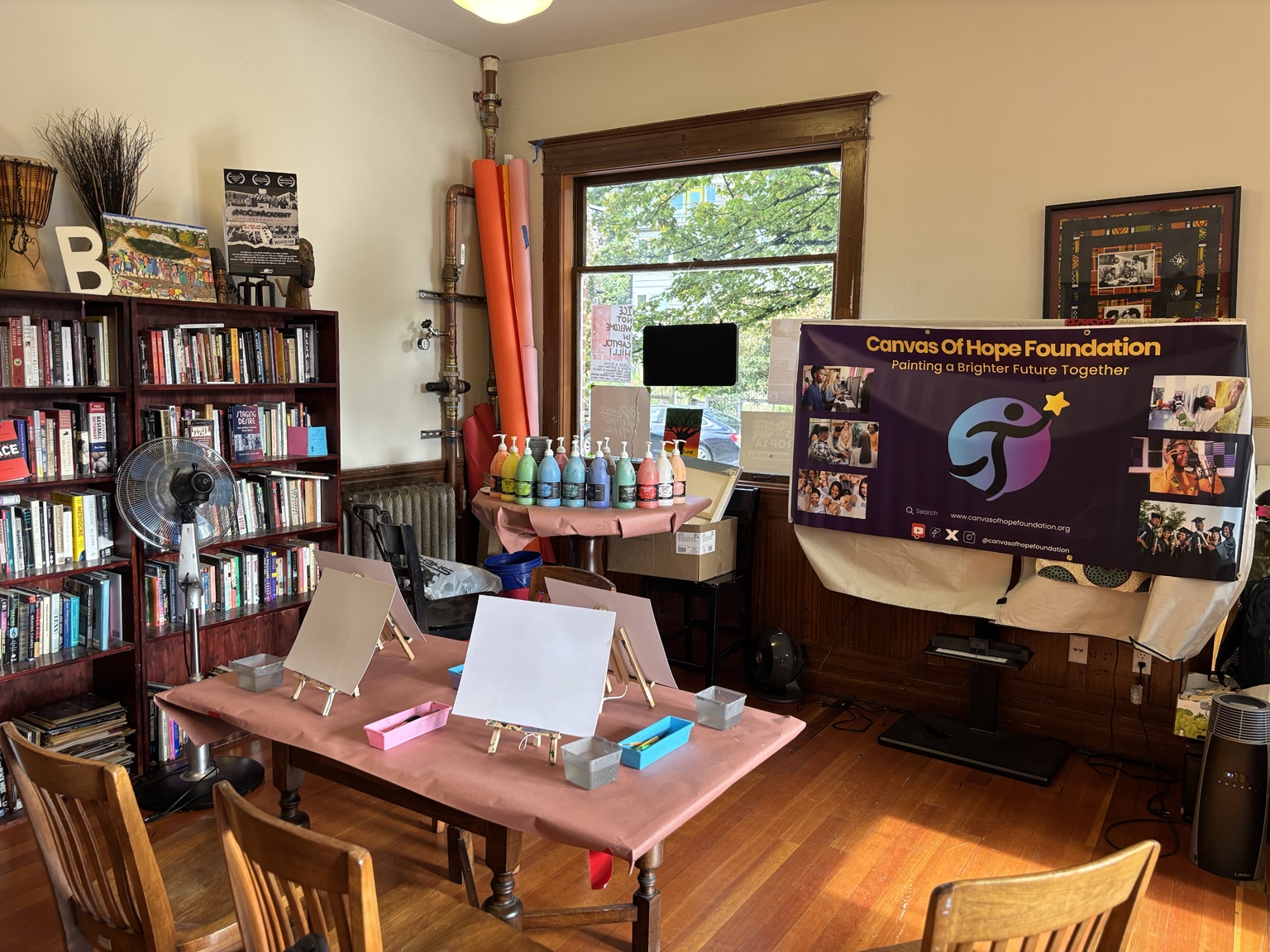
Early support builds routines, healthy relationships, and decision-making skills. Activities can include mentorship, creative workshops, movement, leadership development, and supervised community service.
Ages 18–23
Transition-Age Youth Track
Reentry support focuses on setting goals, reconnecting with family and community, and building skills for school, employment, and independent living.
What support can look like
- Mentorship, restorative practices, and help setting goals
- Education, career readiness, and everyday life skills
- Creative Arts and movement through Axionyx Fitness
- Connections to wellness and counseling resources when available
- S.A.F.E. Passage, a planned transportation initiative
The eight-week learning model
The planned curriculum focuses on emotional regulation, accountability, leadership, goal-setting, and reentry planning. Starting and end-of-program check-ins are designed to track progress in skills and goal clarity.